
Seeing Systems Through People
I thought I knew what to expect. I’ve sat through countless business workshops, thought out workflows, and tackled process inefficiencies. But this? This was different.
PREFACE
This article is part of a Human-Centred Mapping Series exploring how human-centred mapping techniques shape successful digital transformation. Each step builds on the last, creating clarity and alignment across your change project.
- Empathy Mapping: Understanding the real people behind the process to frame challenges effectively and authentically.
- Journey Mapping: Making internal user experiences tangible, visualising workflows to empower teams and identify meaningful opportunities for improvement.
- System Blueprinting: Turning insights into actionable digital system designs, practical blueprints that clearly connect user insights and technical execution.
- Impact Mapping: Ensuring lasting success by clearly linking project actions to measurable, strategic outcomes.
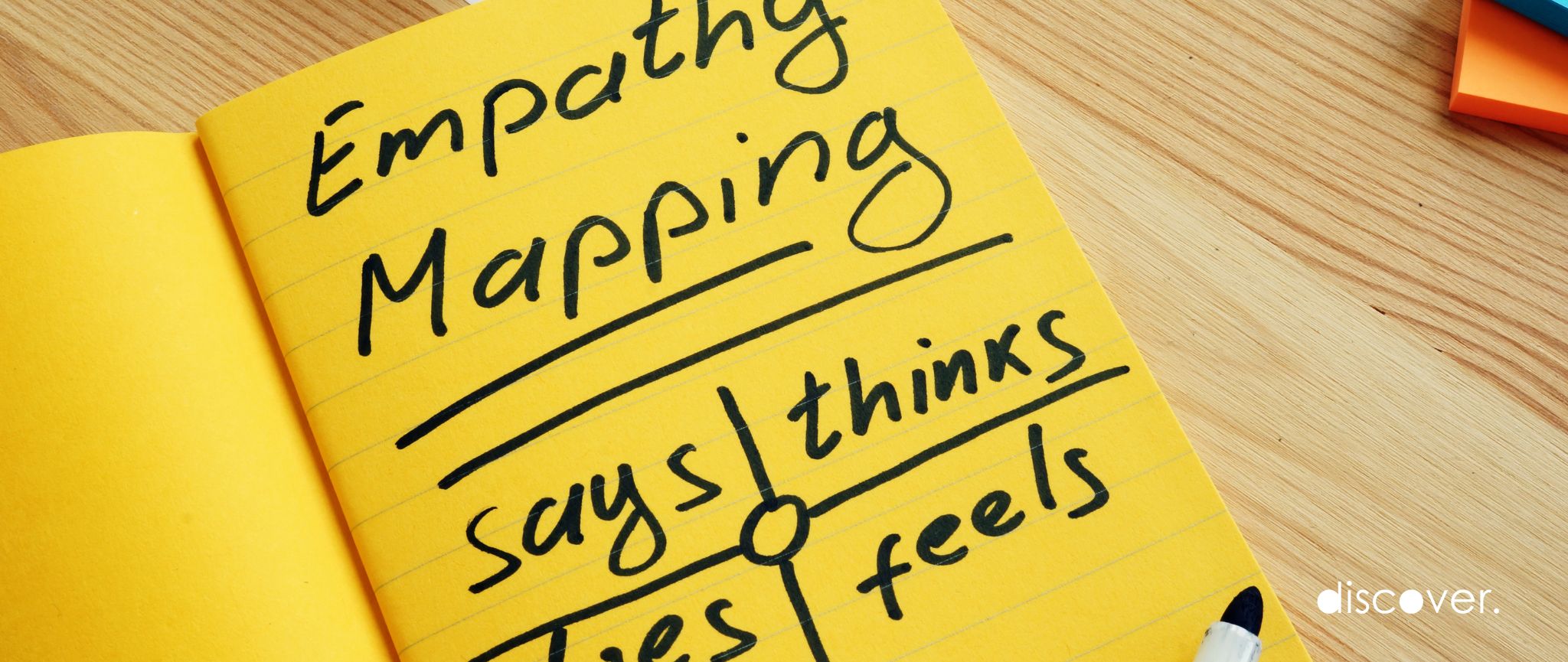
Empathy mapping is often used in User Experience (UX) design and marketing to understand users and shape better experiences. But what if we applied it beyond digital products and campaigns into business process mapping? Instead of just improving websites, ads, or apps, what if we used it to design better workflows, systems, and customer journeys?
This is the story of how a 10-minute exercise changed how a client saw systems, strategy, and the entire approach to digital change.
People Before Processes
We were there to talk about business systems and CRM optimisation, and process map our sales pipeline. However, before we got into any of that, we were asked to do something unexpected:
“Let’s think about people first. Your customers. We’re going to take 10 minutes to do an empathy mapping exercise.”
A what?
It sounded simple. Too simple, in fact. But those 10 minutes changed how I saw the entire process.
Who Shape Our Systems?
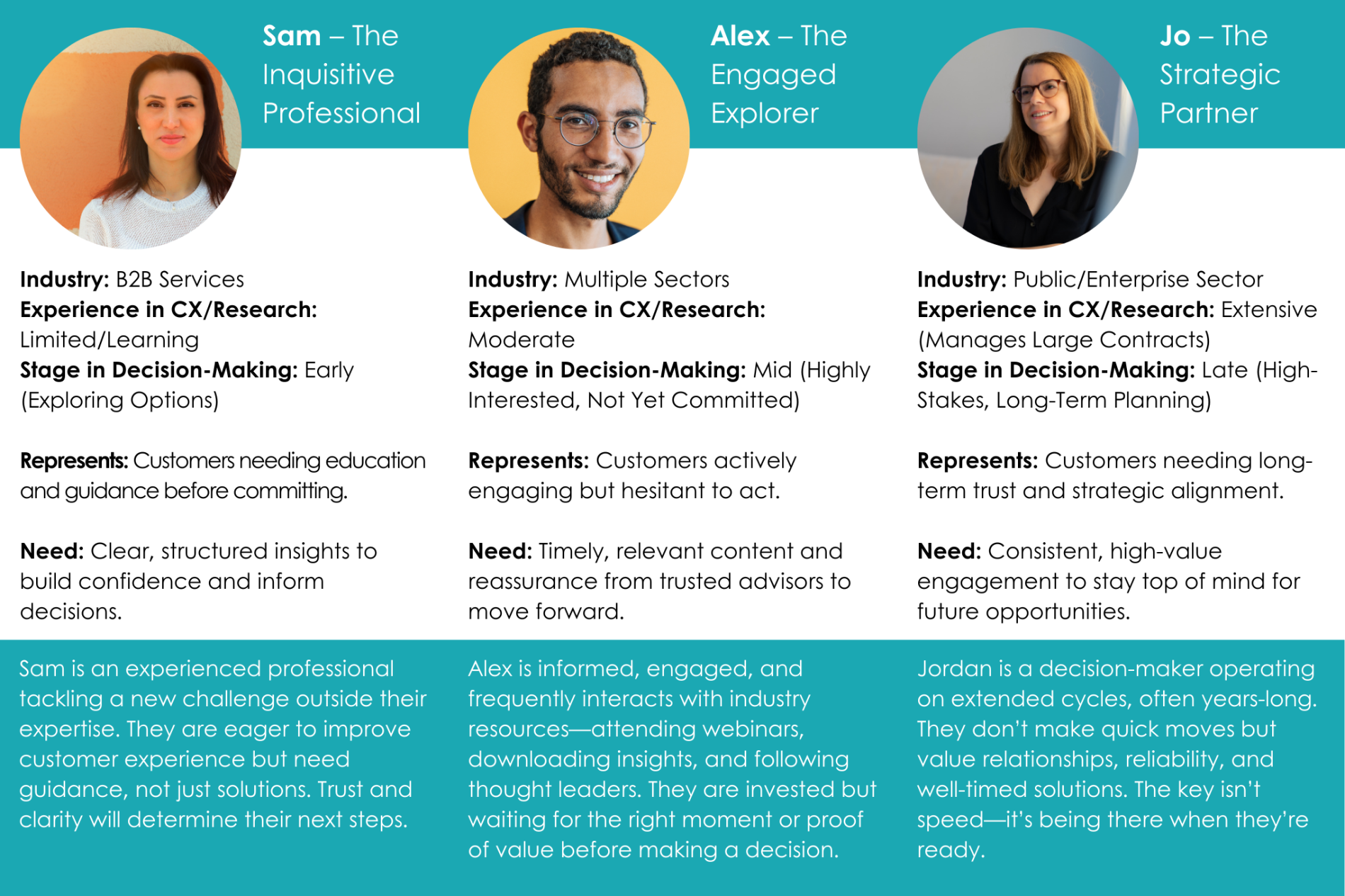
We were asked to think of a persona. Someone real, someone who interacts with our organisation but isn’t part of it. It didn’t take long. In fact, we came up with three.
There was one who showed up regularly in engagement metrics but hadn’t yet taken action. Another who made decisions on long-term contracts but only at very specific times. And one, a mid-level professional, who had been tasked with improving customer experience but wasn’t sure where to start.
The instructions were clear: Step into your clients’ shoes and experience your business from their perspective. Picture what surrounds them—what they see and hear. Notice how they behave and what they say. Then, imagine the thoughts quietly shaping their choices.
Silence.
Then, people started speaking…
“She’s looking at industry reports, but they all assume she already knows what she’s doing.”
“He’s saying, ‘My leadership wants me to sort this out, but I don’t even know what I’m looking for.’”
“They hear conflicting advice from different sources. Some saying Customer Experience (CX) is about data, others saying it’s about relationships.”
“They feel overwhelmed, maybe even a little embarrassed to ask basic questions.”
But alongside these challenges, we also saw strengths:
“He’s actively searching for the right solution. He’s not disengaged, just cautious.”
“She trusts recommendations from peers, which means strong word-of-mouth could be a key driver.”
“They value credibility and expertise, meaning well-placed guidance will go a long way.”
Suddenly, these weren’t just abstract customer types. They had both frustrations and motivations. Real people making real decisions.
From Assumptions to Realisations
I’d come into this session expecting to jump straight into talking about automation, engagement tracking, and process efficiencies. Yet, here I was re-evaluating everything I assumed about how our customers interact with our business through our systems.
We’d been thinking about lead generation as a numbers game, but for someone like our mid-level professional, it wasn’t about being a lead at all.
-
They weren’t waiting for a sales pitch. They were looking for a guide.
-
They weren’t ignoring our content; they just weren’t confident enough to engage with it.
-
We’d been measuring conversion, but we hadn’t been measuring trust, and
-
We weren’t just seeing pain points; we were seeing untapped opportunities.
The Takeaway
I left that session with a new perspective.
Empathy mapping wasn’t just a 10-minute warmer to process mapping; it focused us and our digital partners on how our customers really experience our services.
Now, these customer personas are embedded in our digital transformation work.
They:
- Challenge our assumptions and help us see the real user journey.
- Guide our decisions, ensuring new solutions meet actual-not-assumed-needs.
- Shape training, communication, and adoption strategies.
- And as we deepen our impact, help us measure success from the customer’s perspective.
Empathy Mapping: Understanding the Real People Behind the Process
Questions to Consider:
- Who are the real people interacting with your organisation, beyond just customer segments?
- What assumptions have you made about how they think, feel, and act?
- Where might you be misinterpreting their needs, frustrations, or motivations?
Try This: Take 10 minutes to do a mini empathy mapping exercise:
- Think of one real person who engages with your organisation (a customer, partner, or stakeholder).
- Write down what they see, hear, say/do, and think/feel when interacting with your system.
- Identify one small adjustment that could make their experience smoother.
If you’re ready to streamline your processes and improve efficiency, we’d love to help. Book a free initial consultation with us to discuss your needs and explore the best solutions for your organisation. Click here to schedule your free consultation.

Blog Contributors: Paula (Director) and Kristy (DesignOps) co-design and facilitate Discovery process mapping workshops for all digital transformation projects. Sue (Director of Training) uses the personas as system actors in her bespoke workshops. They are continually inspired by the power of this simple empathy mapping exercise, which proves that even the smallest human-led activities can drive meaningful change.
These articles have been authored by the experts at Creative Analysis. They draw upon client voices, themes, and lived experiences gathered over the past decade, reflecting successful digital transformation through proven methodologies. They represent collective insight rather than any single individual’s views and aim to share insider knowledge to support your journey towards successful digital change.