
Journey Mapping with the System User
From Frustration to Clarity. We all felt there had to be a better way.

PREFACE
This article is part of a Human-Centred Mapping Series exploring how human-centred mapping techniques shape successful digital transformation. Each step builds on the last, creating clarity and alignment across your change project.
- Empathy Mapping: Understanding the real people behind the process to frame challenges effectively and authentically.
- Journey Mapping: Making internal user experiences tangible, visualising workflows to empower teams and identify meaningful opportunities for improvement.
- System Blueprinting: Turning insights into actionable digital system designs, practical blueprints that clearly connect user insights and technical execution.
- Impact Mapping: Ensuring lasting success by clearly linking project actions to measurable, strategic outcomes.
Journey mapping is often applied to customer experiences, but what happens when organisations apply it internally, to understand their employees’ real experiences? Instead of external customer journeys, what if we mapped internal workflows, user frustrations, and daily realities, using these insights to guide digital transformation?
This article shares the real story of a team who moved beyond abstract process diagrams and engaged directly in shaping meaningful, human-centred changes; transforming how they worked day-to-day.
Familiar scenarios
Keeping track of client information felt overwhelming. Multiple apps cobbled together over time made things worse. Information was lost between platforms, work duplicated, and confusion constant. When I asked colleagues, I got different answers from each person:
- “I stopped updating information months ago. It’s just too frustrating.”
- “Every time I try finding client history, I have to look in three different places.”
- “I spend too much time just figuring out where things are supposed to go.”
It wasn’t until we joined a collaborative process mapping workshop with Creative Analysis (CA) that we clearly saw why our workflows felt broken and began discussing what could realistically change.
Why Mapping With Internal Users Matters
When organisations initiate digital transformations, the vision often comes from leadership. But what about the people on the front lines? The internal users who interact with these systems every day. Sometimes, their perspectives aren’t fully considered, which can lead to systems that don’t match actual user needs. Not every team has the skills or resources to facilitate user engagement activities effectively, so our daily experiences can remain invisible.
Journey mapping changes this by prioritising our everyday realities, revealing genuine problems, and making solutions feel tangible.
As-Is vs. Ideal: Mapping Reality vs. Possibility
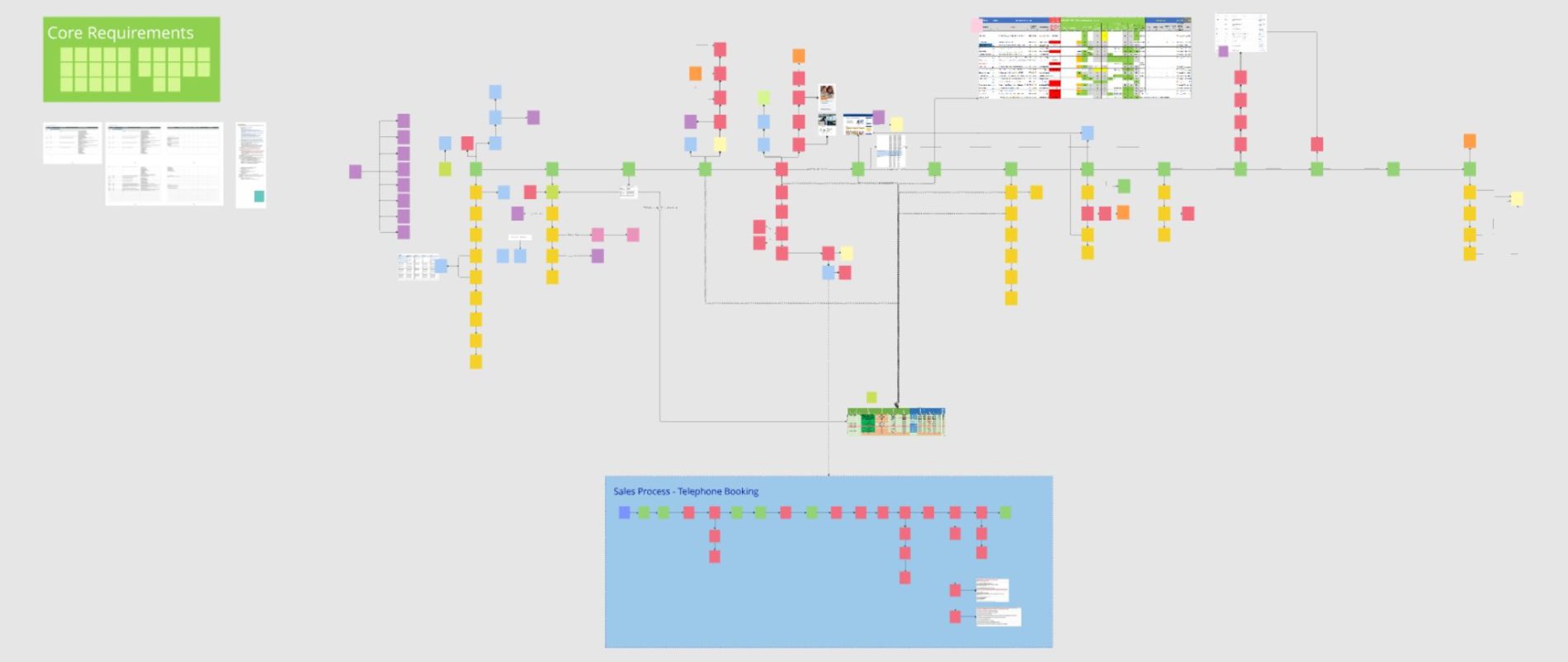
In the CA workshop, we started by mapping out our ‘As-Is’ processes. Every frustration, inefficiency, and bottleneck was documented openly. Equally important, we highlighted what was working well, pinpointing strengths and areas of potential. Seeing our daily struggles and successes represented visually provided clarity and validation that our experiences mattered.
We then had deeper conversations about the ideal scenario. This wasn’t an instant fix; it was an honest dialogue about how a more streamlined system could potentially resolve our challenges. We discussed key headlines:
- What we do and when: Clarifying roles and interactions.
- Who needs what: Identifying resources needed to perform our tasks effectively.
- What is important: Pinpointing priorities and key requirements.
- What the priority is: Understanding immediate versus future needs.
This conversation wasn’t about immediate perfection; it was about realistically shaping what improvement could look like.
A Human-Centred Approach to Change
Process mapping with CA wasn’t just about technical blueprints—it was about genuinely listening to us, the people experiencing daily struggles. The real value of journey mapping was in this honest, human-centred exchange:
- Capturing authentic frustrations and potentials clearly.
- Clarifying genuine needs and expectations openly.
- Allowing us to shape practical, meaningful, workable solutions.
It wasn’t simply empathy, either; it was grounded in actionable insights, shaping systems that genuinely addressed our realities.
Real-World Application: A Step Towards Clarity
After the workshop, CA returned with their recommendations shaped directly by our discussions. These became the foundation for something tangible we could critique, refine, and test together, ensuring the solutions were genuinely co-designed, prototyped, and user-tested before implementation.
Colleagues felt heard and involved:
- “Our actual issues are driving the changes.”
- “It feels good knowing my frustrations and ideas are shaping solutions.”
- “Seeing our feedback directly influencing designs makes the upcoming changes feel relevant.”
Actionable Next Steps: What We Did with CA
Here’s how our collaboration with Creative Analysis unfolded practically:
- Open Dialogue: Facilitated conversations openly capturing strengths, issues, and ideas.
- Insightful Mapping: Clearly documented processes pinpointed both challenges and opportunities, widening our understanding and options.
- Post-Workshop Refinement: CA presented their recommendations in a post-workshop Retrospective, critically reviewed and refined by users to steer digital transformation clearly.
- Informed Implementation: Changes were introduced thoughtfully, informed by continuous feedback, to ensure alignment with our business vision and objectives.
Journey mapping wasn’t a glossy brochure—it was real, challenging work that made digital change genuinely meaningful.

JOURNEY Mapping: THE POWER OF THE USERS PERSPECTIVE
Questions to Consider:
- How do your internal users actually experience your system?
- Where do they face friction, delays, or confusion?
- If they could change one thing about the system, what would it be?
Try This:
Pick a routine internal process in your organisation and walk through it step by step as if you were a new user.
- Map out the As-Is experience (in rough on paper or get creative with Post-its on a wall).
- Identify where things feel slow, unclear, or frustrating.
- Walk through it with someone who is also involved in the process – what do they see?
- Sketch out a simple Ideal Map. What would the best version of this process look like?
If you’re ready to streamline your processes and improve efficiency, we’d love to help. Book a free initial consultation with us to discuss your needs and explore the best solutions for your organisation. Click here to schedule your free consultation.

Blog Contributors: Paula (Director), Jack (Technical Director), and Kristy (DesignOps) co-design and facilitate Discovery process mapping workshops for all digital transformation projects. Sue (Director of Training) uses the insights and outputs in her bespoke workshops. What started as a tool to visualise processes during early discussions with clients has evolved into a fundamental aspect of how we approach all change initiatives.
These articles have been authored by the experts at Creative Analysis. They draw upon client voices, themes, and lived experiences gathered over the past decade, reflecting successful digital transformation through proven methodologies. They represent collective insight rather than any single individual’s views and aim to share insider knowledge to support your journey towards successful digital change.