
Technical Design Workshops
From Discovery to Design: How Systems Start to Take Shape
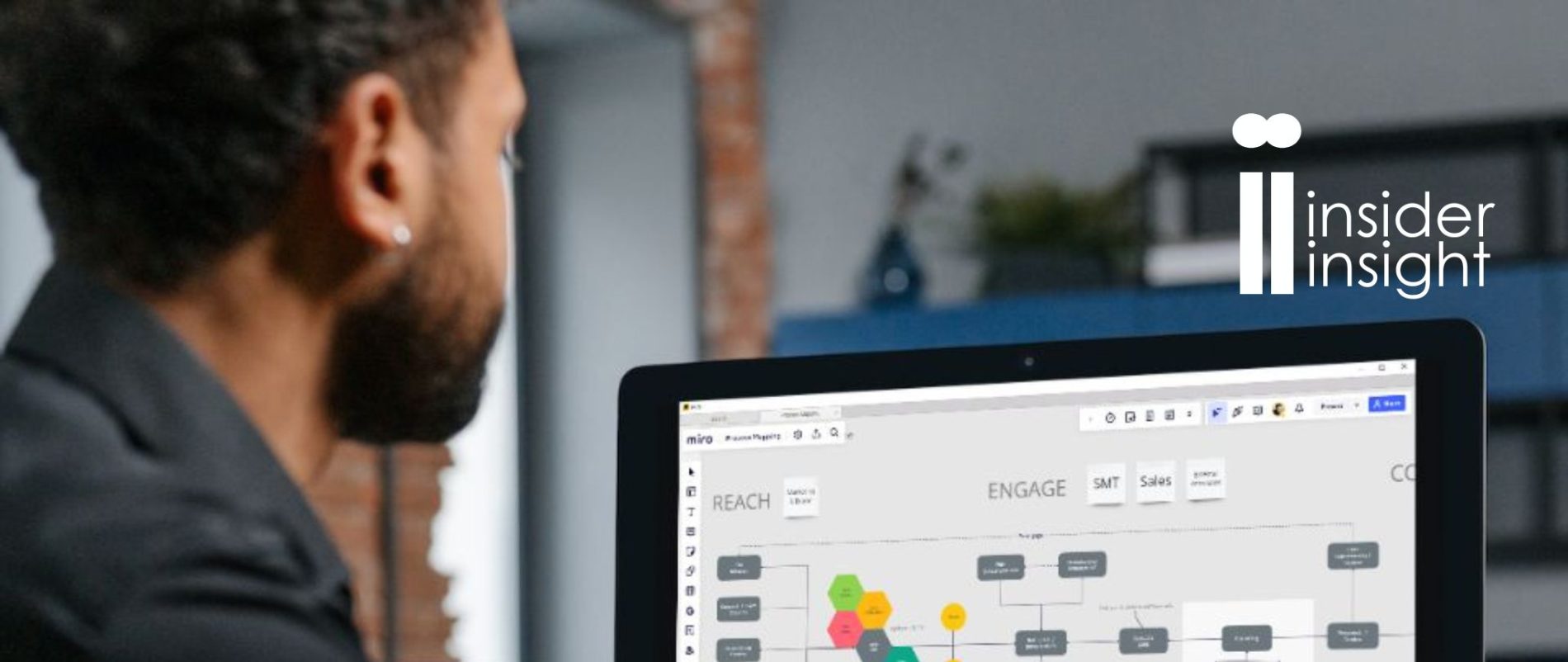
Once Discovery is complete, we move into the design phase – where the early thinking starts to become something real. At this point, you’ve already mapped your key processes and surfaced where your team’s time and energy is going. You’ve explored how things currently work, and how they could work better.
Now, we begin shaping a system that fits those needs.
Co-design is exactly that; a collaborative session where your future system is structured, tested and improved with the people who will actually use it. It builds directly from everything we’ve gathered so far, using your collaborative Miro Design Hub and bringing the right people into the room at the right moment.
Led by our Technical and Training Directors, this is where logic meets lived experience.
Reconnecting with what matters
We start with the maps, workflows and observations gathered during Discovery. These give us a clear view of your ‘As Is’ processes – what happens, when, and why.
We also return to the personas created through empathy mapping. These bring human insight into the room – the things people need, want, and find frustrating. They help guide decisions about user flows, access, visibility and support.
We’re not working from theory. We’re working from your lived operational experience.
What the technical design phase covers
This session is detailed and structured; but collaborative throughout. We typically cover:
- ‘Should Be’ Process Enhancements We build on your existing maps, identifying where automation, system support or new structure will make a meaningful difference.
- Base System Set-Up System registration checks, location specific settings and a review of top level customisation agreed during Discovery.
- Data Definitions We review the Data Dictionary: what each field means, how it’s labelled, and how it will be used in practice.
- Blueprint Design Repeatable actions, user journeys and triggered workflows are designed together, reflecting how work actually happens in your teams.
- Reporting and Dashboards We begin sketching the types of insight your teams will need – from high-level summaries to practical performance data.
- Permissions and Visibility We confirm access levels based on what people need to do and see – balancing autonomy, accountability and security.
We would have already clocked a requirement for tailored functionality in Discovery – especially in sector-specific contexts – we explore this further with you. Our developer joins when needed, so that custom features are scoped and shaped within the context of your existing work.
From mapped process to visual prototype
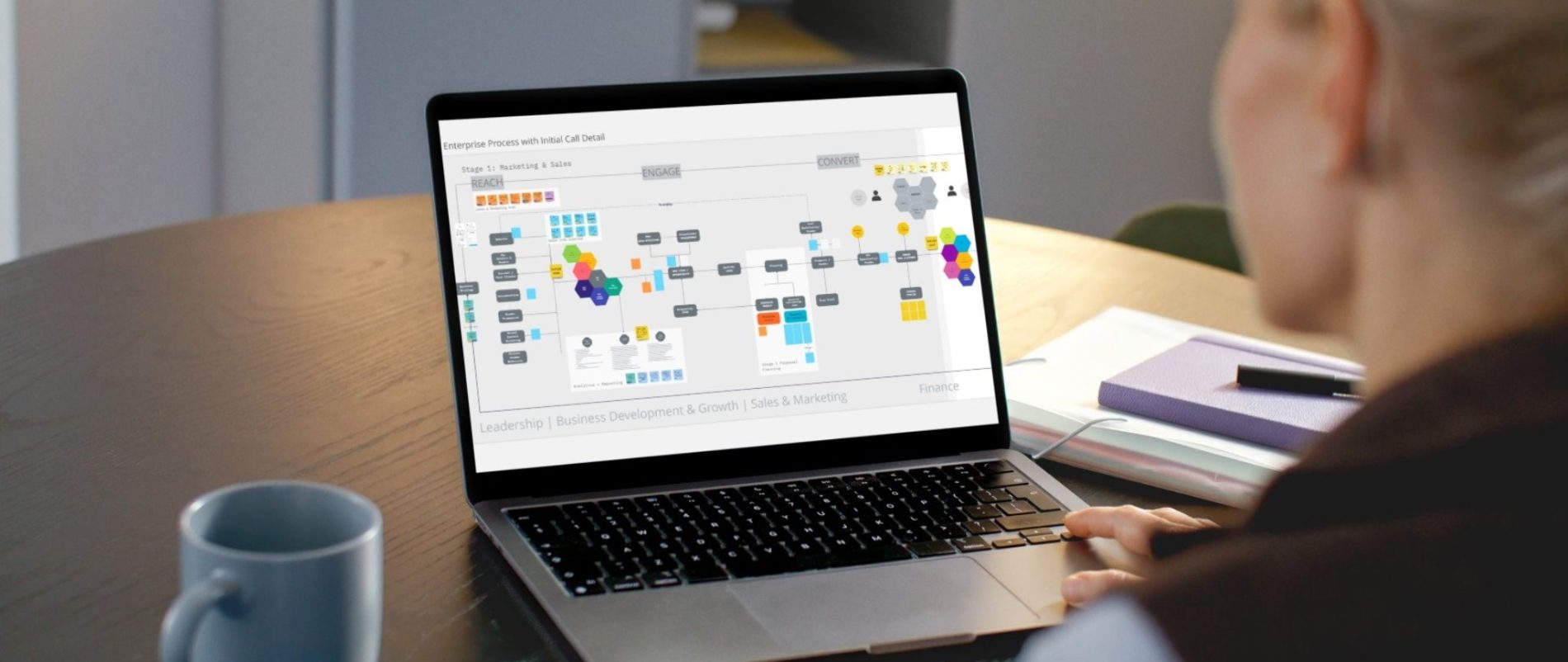
Before anything goes into build, we create a working prototype. Using the ‘Should Be’ processes and design notes, we show how your future system will support people in their roles. This is done visually, within your Miro space, so it’s accessible to the full project team.
This step often raises valuable questions. We encourage honest feedback – especially from early adopters, Super Users, or team leads who know the detail of how work gets done. Their input helps spot edge cases, streamline steps, and confirm that nothing important has been overlooked.
Training and adoption, already underway
Training doesn’t begin when the system goes live. It actually began in Discovery, and we build upon this knowledge in the design.
The conversations in these sessions help people understand the thinking behind the design, and start to picture how it will fit into their work. That familiarity makes learning smoother later on, because the logic already makes sense.
We draw from this session to shape your training approach – using your processes, your priorities, and your language.
By involving people in shaping the system, you’re already laying the groundwork for confident use, stronger uptake, and lasting change.
Reflect, test, shape what’s next
Co-design creates space to look at your system with fresh eyes; not just as a technical setup, but as something your team will rely on every day. If you’re planning a system change, try reviewing one of your current processes through the lens of repeatability.
- Which steps are always the same?
- Which vary depending on who’s doing the work?
This kind of reflection helps highlight where automation adds value and where flexibility matters. These are the kinds of questions we explore with you, visually and collaboratively, during technical design.
If you’d like to understand how this might work in your organisation – we’d be happy to talk.

Blog Contributors: Jack Naylor (Technical Director) brings clarity and cohesion to the system design process. With deep technical expertise across Zoho Creator, CRM, Deluge scripting, API integrations and dashboard design, Jack helps clients shape solutions that work end-to-end. He’s known for making complex technical builds understandable, and for translating business needs into joined-up systems that run smoothly on one integrated platform. Sue Mills (Training Director) leads the design and delivery of client learning at Creative Analysis. With a focus on making change feel clear and achievable, Sue ensures every training experience is grounded in real use, not generic features. She brings depth, warmth and structure to system adoption; helping teams feel confident, supported, and well-equipped to embed new ways of working.